Introduction
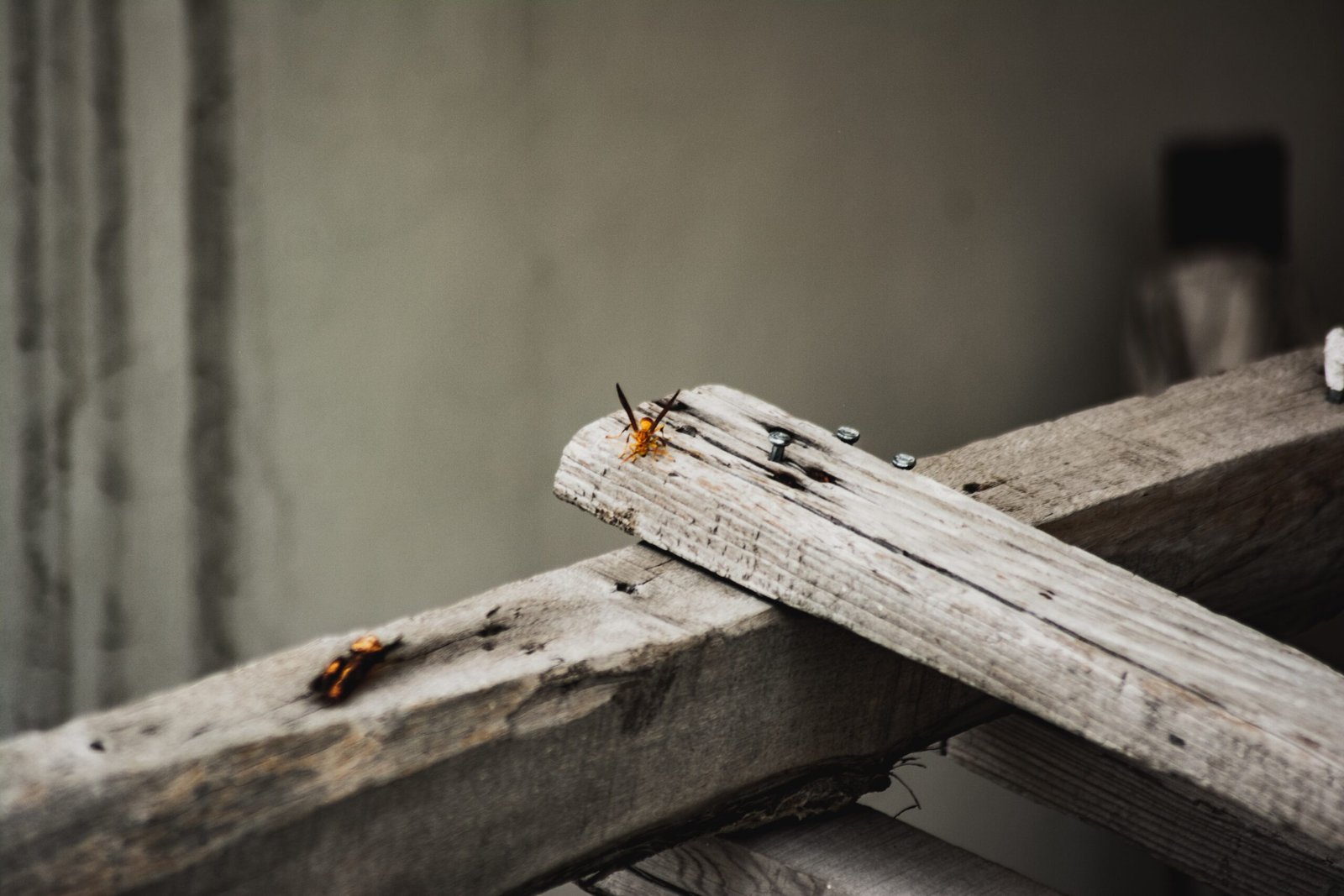
Wooden furniture adds warmth, elegance, and durability to homes, but it is also vulnerable to damage from wood-boring insects such as woodworms, beetles, and termites. These pests can quietly live inside furniture for months or even years, slowly weakening it from the inside. Once the damage becomes visible, it is often already severe. Protecting furniture from these insects requires a combination of prevention, maintenance, and timely treatment.
Keep Furniture Dry and Moisture-Free
Moisture is one of the main factors that attract wood-boring insects. Damp wood provides the perfect environment for beetles to lay eggs and for larvae to grow. To protect furniture, it is important to keep it dry at all times.
Avoid placing wooden furniture in humid areas such as basements or poorly ventilated rooms. If furniture becomes wet due to spills or cleaning, it should be dried immediately. Using dehumidifiers in humid climates can also help reduce moisture levels indoors.Shashel
Ensure Proper Ventilation
Good airflow plays an important role in preventing insect infestation. Poor ventilation leads to moisture buildup, which increases the risk of wood damage. Furniture placed against damp walls or in closed spaces is more likely to be affected.
Regularly airing out rooms and ensuring that wooden items are not tightly packed together helps maintain a dry and healthy environment that discourages pests.
Use Treated or Finished Wood
One of the most effective ways to prevent wood-boring insects is to use treated wood. During manufacturing, wood can be chemically treated to make it resistant to insects and decay.
If you are buying new furniture, look for pieces that have been properly treated or sealed. Varnishes, paints, and wood coatings also act as protective barriers that make it harder for insects to lay eggs or penetrate the surface.
Regular Cleaning and Inspection
Routine cleaning helps in early detection of pest activity. Dusting and polishing wooden furniture not only improves appearance but also allows you to notice small holes or powdery residue that may indicate infestation.
During cleaning, check for:
- Small round holes in wood
- Fine powder-like dust (frass)
- Weak or soft areas in furniture
- Cracks or surface damage
Early detection can prevent major structural damage.
Avoid Bringing Infested Wood Indoors
Wood-boring insects often spread through infected furniture or wooden items brought from outside. Second-hand furniture should always be carefully inspected before being brought into the home.
If possible, treat or disinfect used furniture before placing it indoors. This reduces the risk of introducing hidden larvae or eggs into your living space.
Apply Protective Coatings
Wood sealants, varnishes, and polishes create a protective layer on the surface of furniture. This layer makes it difficult for insects to lay eggs or penetrate the wood.
Reapplying protective coatings every few years helps maintain this barrier. Special insect-repellent wood treatments are also available and can provide long-term protection.
Control Indoor Humidity Levels
High humidity is one of the biggest reasons for woodworm and beetle infestations. Keeping indoor humidity under control can significantly reduce the risk.
Using air conditioners, dehumidifiers, or proper ventilation systems helps maintain an environment that is not favorable for wood-boring insects.
Store Furniture Properly
If wooden furniture is not in regular use, it should be stored in a dry and well-ventilated area. Covering furniture with breathable materials rather than plastic sheets is important, as plastic can trap moisture and encourage insect growth.
Elevating furniture slightly from the ground also helps protect it from dampness.
Use Natural Repellents
Certain natural substances are believed to help repel wood-boring insects. Oils such as neem oil and linseed oil are often used to protect wooden surfaces. These oils not only nourish the wood but also create an unpleasant environment for pests.
While natural repellents may not completely eliminate infestation, they can be useful as a preventive measure.
Professional Pest Treatment
If an infestation is suspected, professional treatment should be considered immediately. Experts use advanced methods such as chemical injections, heat treatment, or microwave technology to eliminate insects hidden deep inside wood.
One modern approach involves the use of microwave-based systems like those developed by Shashel, which can destroy insects inside furniture without damaging the structure or using harmful chemicals.
Replace Severely Damaged Furniture
In cases where furniture is heavily infested and structurally weakened, repair may not be enough. Severely damaged pieces should be replaced to prevent the spread of insects to other wooden items in the home.
Conclusion
Protecting furniture from wood-boring insects requires consistent care and attention. Keeping wood dry, maintaining good ventilation, using treated materials, and performing regular inspections are all essential steps in prevention. Once an infestation occurs, quick action is necessary to avoid further damage. With proper maintenance and timely treatment, wooden furniture can remain strong, beautiful, and long-lasting for many years.